Dough · Ovens · Styles · Toppings
Every pizza is four numbers.
Hydration, dough temperature, fermentation and the bake decide almost everything about a crust. Boccalone is an independent pizza publication about those numbers, and the ovens, toppings and styles built on top of them.
Learn the four numbers New here? Start here
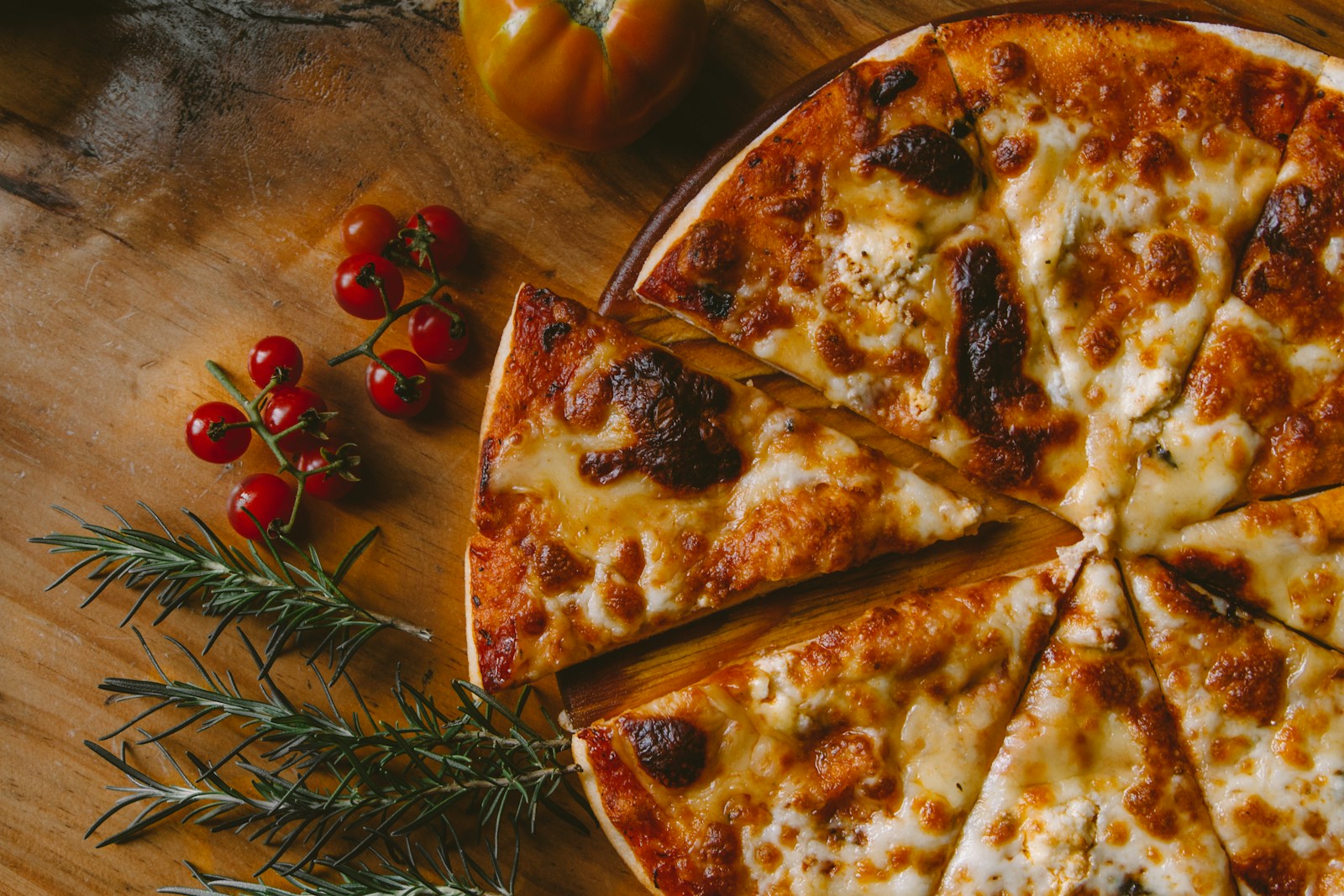
Photograph: Ivan Torres / Unsplash
The four numbers
- Hydration What 58%, 65% and 75% actually do to handling, spring and crumb.
- Dough temperature The control number almost no pizza recipe gives you.
- Fermentation Time and temperature, read together. Never just time.
- The bake Deck and dome: two temperatures doing two different jobs.
Worth arguing about.
Strong positions, each argued in full. Read the reasoning before you take a side.
- “Authentic” is the least useful word in pizza. Every style people call traditional was an innovation that annoyed someone.
- Put the rolling pin away. It fixes the symptom and flattens what two days of fermentation built.
- Prosciutto goes on after the bake. Heat destroys the thing you paid for. Two exceptions, explained.
- “00” is not a grade. It describes how fine the flour is milled, not how strong it is.
- Longer is not automatically better. Where the 24, 48 and 72-hour cold-retard curve flattens, and turns.
- Buy a peel before you buy an oven. The cheapest equipment on the list fixes the most failures.
- Your infrared reading is probably wrong. Emissivity, angle and spot size, and how to read an oven properly.
- Leoparding is not a quality score. Those charred spots have a specific cause, and sometimes they are beside the point.
Thin. Thick. Round. Square.
There is no single way a pizza should be. Start from the oven you own, not the style you admire, then learn what makes each one what it is.
Which style to learn first All styles
- Neapolitan Soft centre, puffy rim, and what the AVPN rules actually require.
- New York Strong flour, a little oil, a hot deck and the fold.
- Detroit Pan-baked, cheese to the edge, nothing like a round pie.
- New Haven Coal-fired, charred, oblong and often white.
- Sicilian Sicilian and sfincione: two pan pizzas, routinely confused.
- Roman Teglia and tonda share a city and almost nothing else.
- Chicago Deep dish, and the thin tavern pie locals actually eat.
- Tavern Thin, crisp, square-cut and built for the bar.
The whole menu.
Eight departments, from the bench to the pizzeria. Open a department for its guide, or go straight to the reading.
- Dough & fermentation - Baker’s percentages, read and scaled - Poolish, biga or direct dough? - Same recipe, different pizza every week
- Technique - Stretching without tearing - Balling and proofing for a clean stretch - The peel technique that fixes most launches
- Troubleshooting - Five causes of a gum line - A pale, floppy base - Burnt rim, raw middle
- Ovens & equipment - What your home oven can and cannot do - Baking steel or pizza stone? - Portable gas ovens and their limits
- Ingredients - What “San Marzano DOP” guarantees - Fior di latte or low-moisture mozzarella? - Salt, oil and sugar in the dough
- Toppings - Why pepperoni cups - Wet vegetables, four fixes - ’Nduja, guanciale and friends under a high bake
- History & culture - How New York pizza actually happened - Why Detroit style came back - What the AVPN, DOC and STG rules require
- Scenes & discovery - How to judge a pizzeria in one slice - New Haven, for people who haven’t been - What to order at an unfamiliar style
Tools for your own bakes Worksheets you fill in yourself.
An independent pizza publication. No connection to the former Boccalone Salumeria in San Francisco.